Step into the Mind
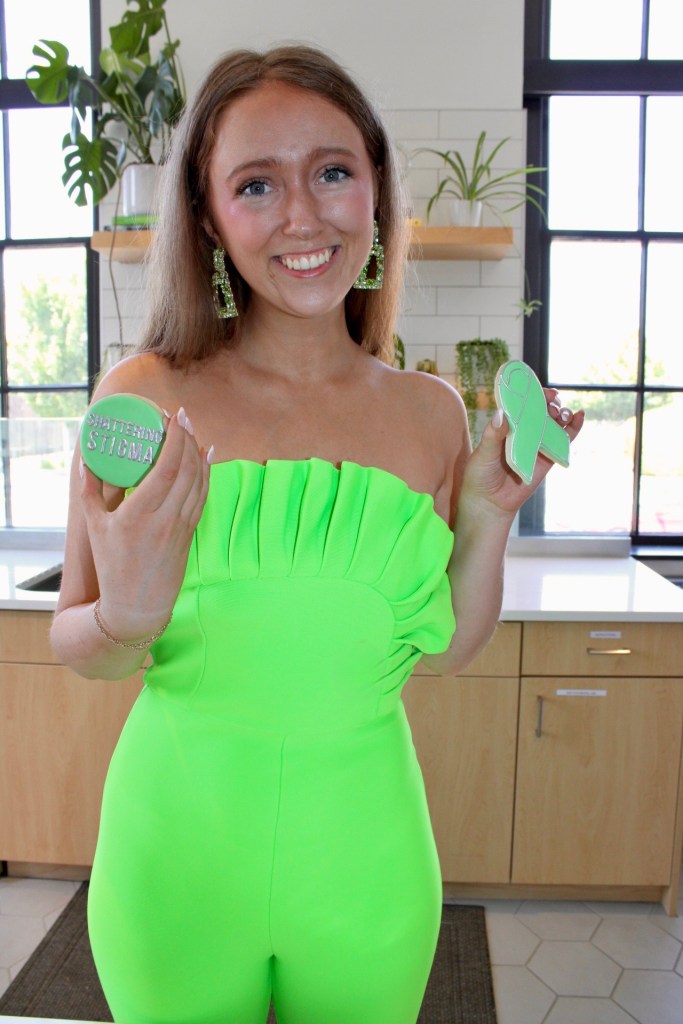
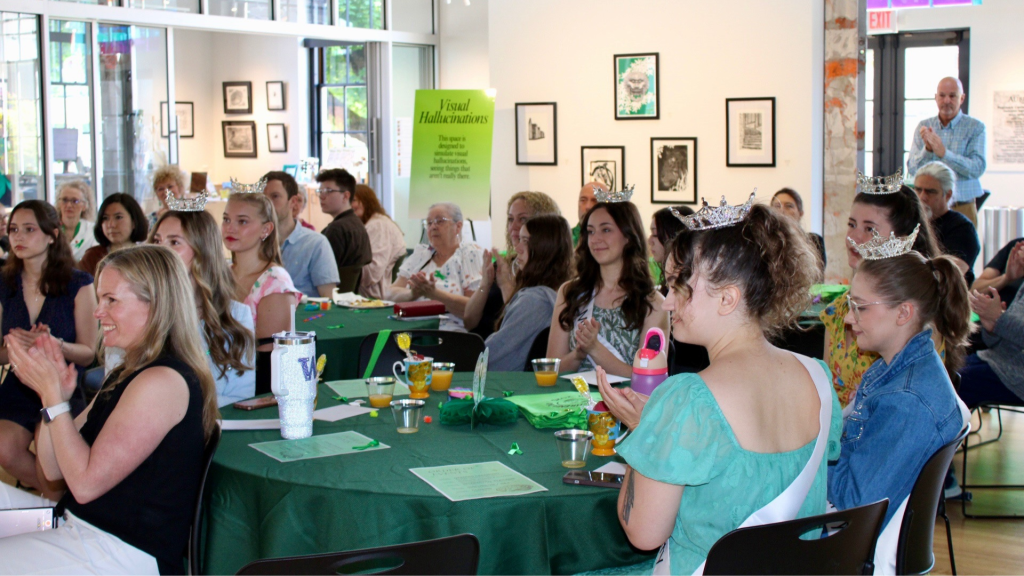
On May 24, 2025, World Schizophrenia Awareness Day, the Postmark Center for the Arts in Auburn, Washington opened its doors to something the state had never seen before. More than forty attendees gathered for Step into the Mind, an immersive, first-of-its-kind event designed and hosted by advocate and Miss Auburn 2025 Chandler Groce.
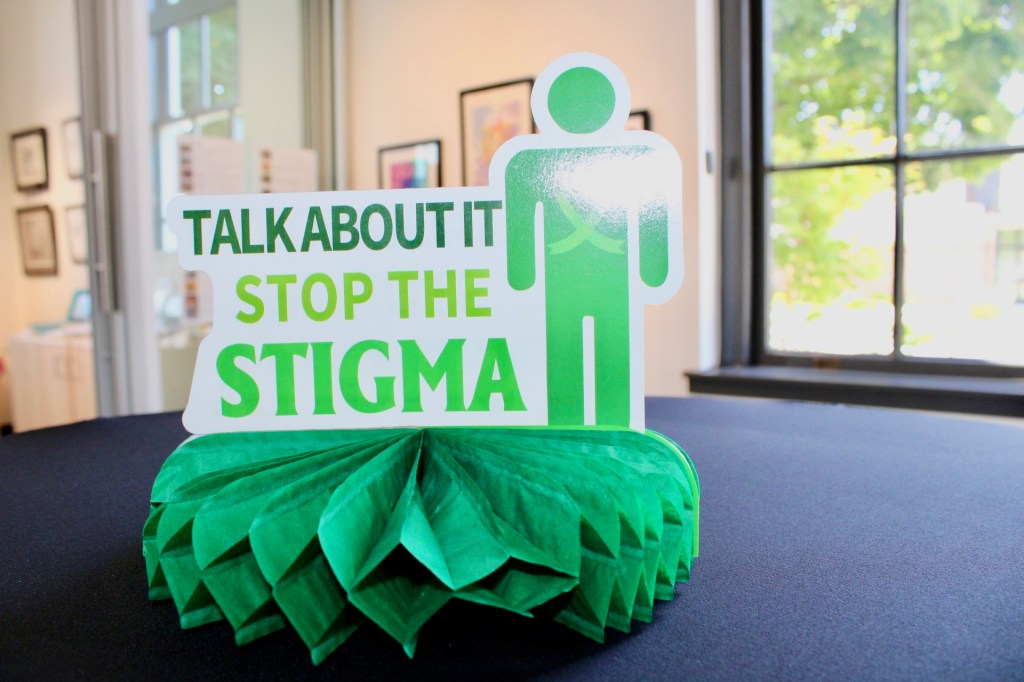
Step into the Mind invited attendees to truly experience what psychosis can feel like from the inside. Through a series of interactive booths and carefully crafted simulations, guests moved freely through an environment built to foster empathy and deeper conversation about a condition that is too often misunderstood.
The event’s vision was simple yet groundbreaking: reduce fear through experience, and reduce stigma through understanding.
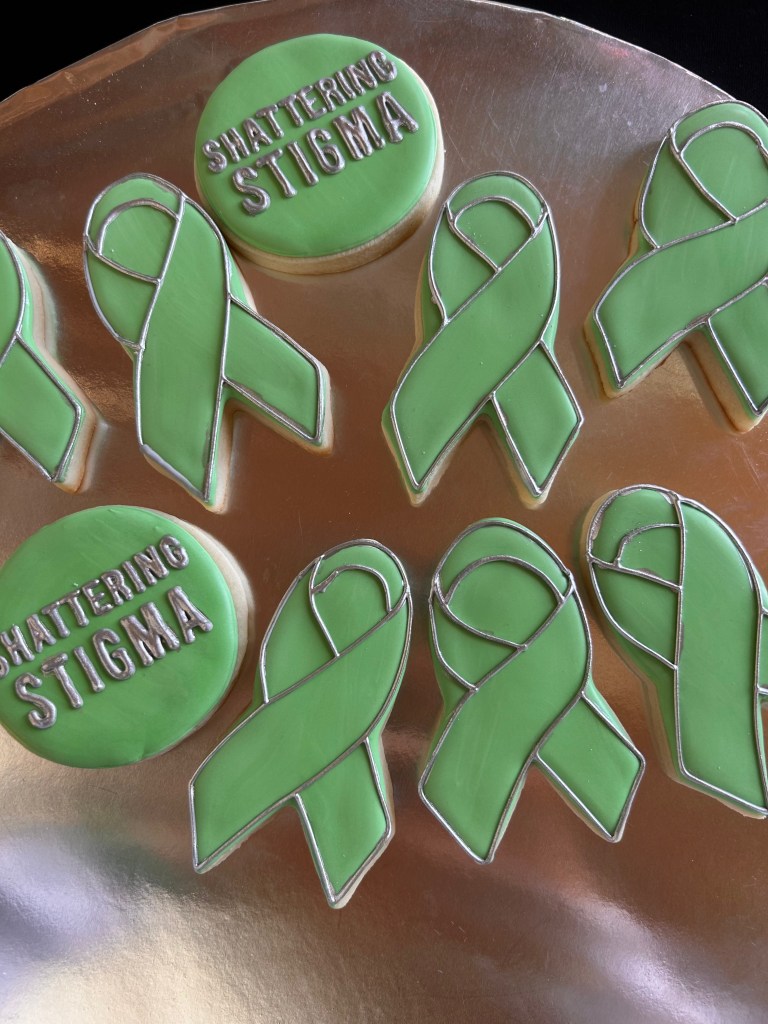
At the heart of Step into the Mind was a commitment to authenticity. Every station, every detail, and every element was built from Chandler’s real lived experience with schizophrenia. Rather than sensationalizing symptoms, she focused on transforming them into educational tools—bridging the gap between what psychosis feels like and how the public typically imagines it.
The event consisted of four central stations, each one allowing attendees to engage at their own pace:
Auditory Hallucinations Station
Visitors listened to an audio track Chandler personally created to mirror what she hears during intense hallucination episodes. Unlike stereotypical portrayals, the audio was layered, disorienting, and intimate, inviting listeners to understand how overwhelming voices and distortions can be even when a person appears calm on the outside.
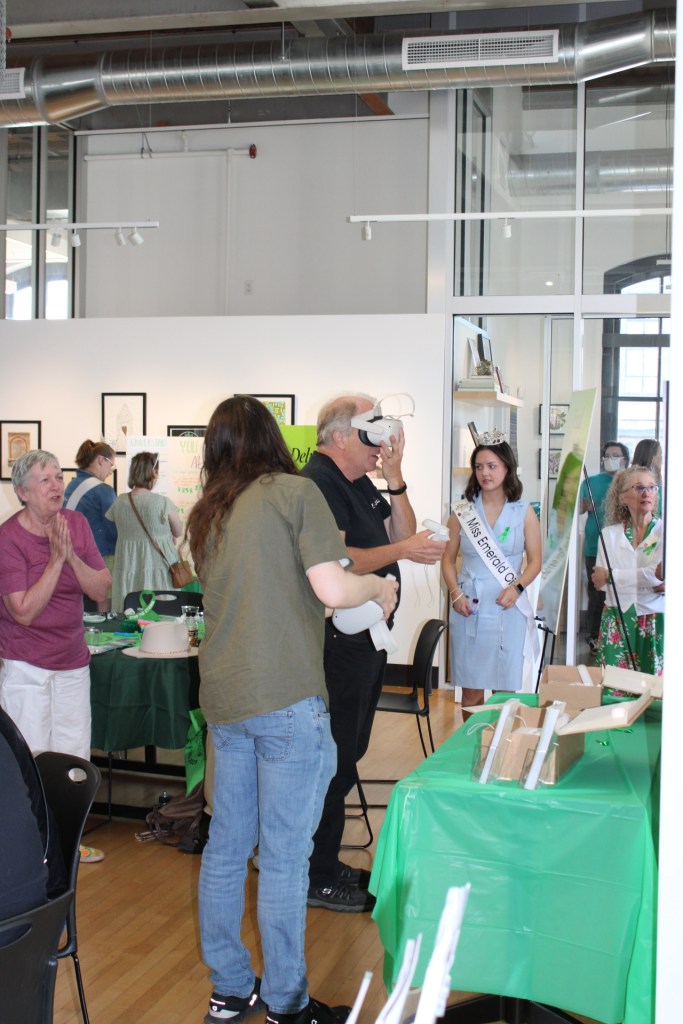
Visual Hallucinations Station (VR Experience)
Two virtual reality headsets provided a “Psychosis POV” visual simulation. Guests stepped into a fully immersive 360° world where colors, objects, and environments shifted in ways inspired by Chandler’s real symptoms. For many attendees, this was the first time they fully understood how visual disruptions can impact concentration, navigation, and a sense of safety.
Delusions & Cognitive Distortions Station
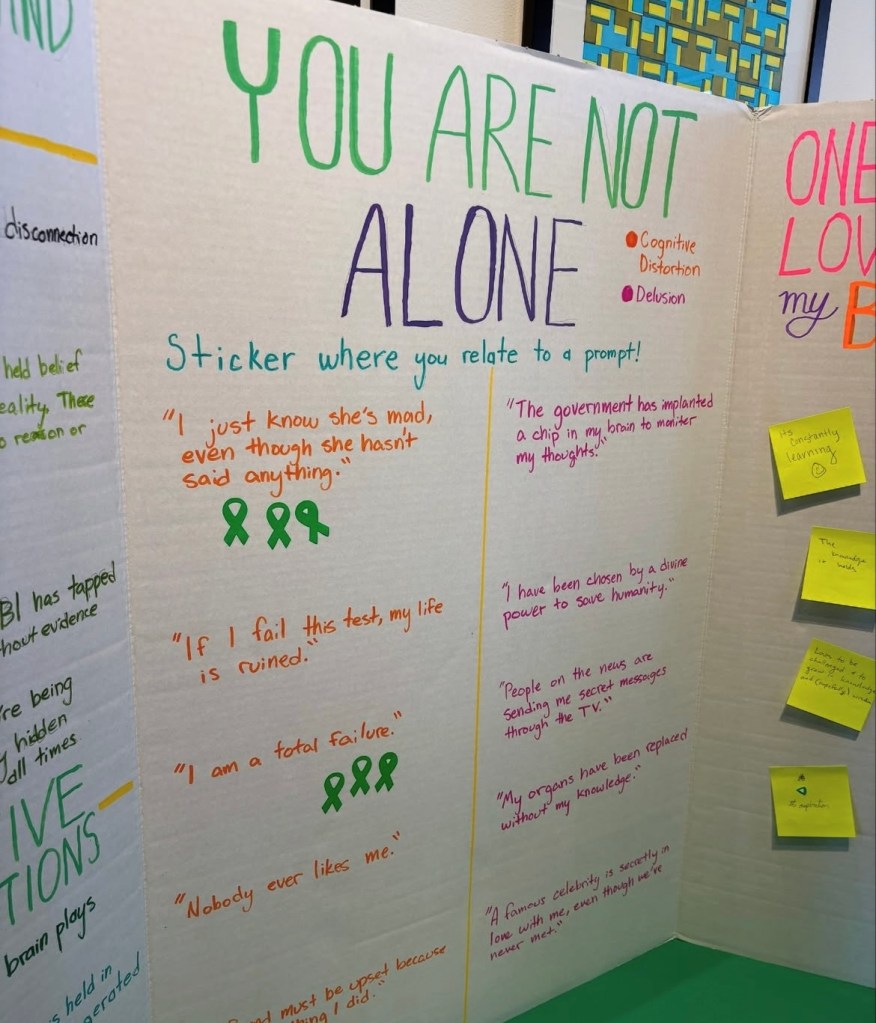
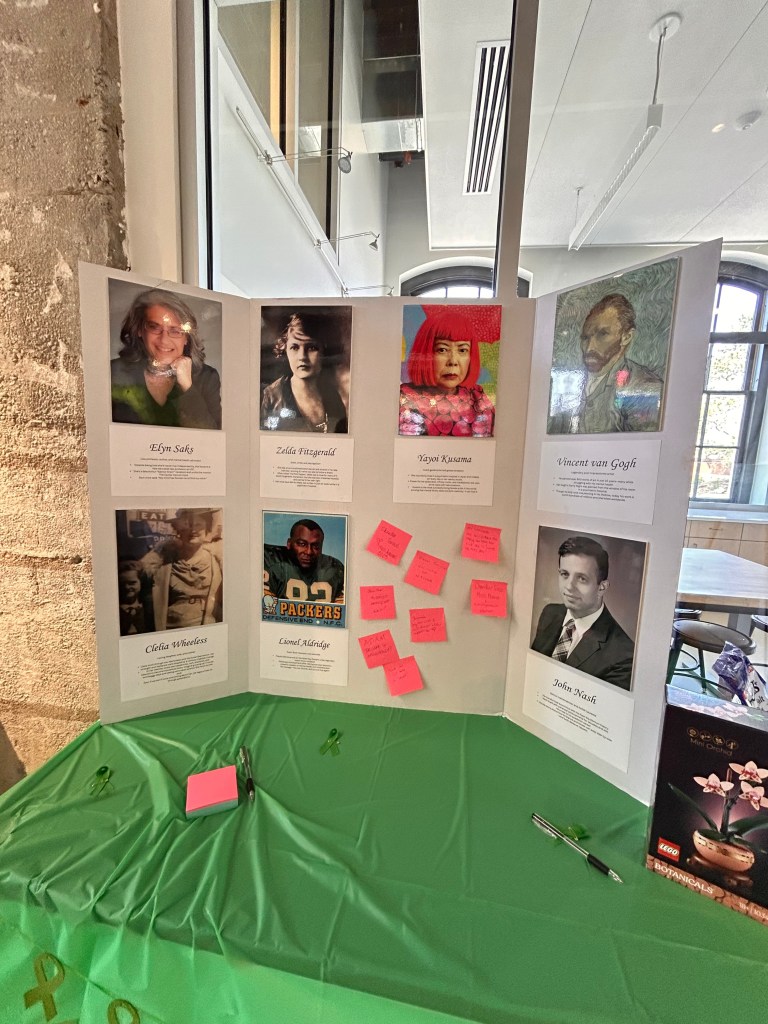
The Delusion Board served as both an educational tool and a community reflection space. It broke down the difference between delusions (fixed false beliefs) and cognitive distortions (common, distorted thinking patterns many people experience). Attendees placed stickers on examples they had personally related to, creating a visual map of shared human experience.
This board reminded visitors that while delusions are a clinical symptom, some of the thinking errors behind them exist on a spectrum that many people experience. The activity became a point of connection, not separation.
A Community-Driven Effort with Statewide Significance
More than forty community members attended, including mental health advocates, medical professionals, parents, teens, and individuals with lived experience. In addition to the hands-on activities, guests heard from a series of speakers whose presence underscored the importance of the event.
Among them were several regional Miss America titleholders known for their own community service initiatives:
- Paiton Leibold – Miss Seattle’s Teen 2025
- Sandra Fachiol – Miss Clark County 2025
- Abby Faulk – Miss Emerald City 2025
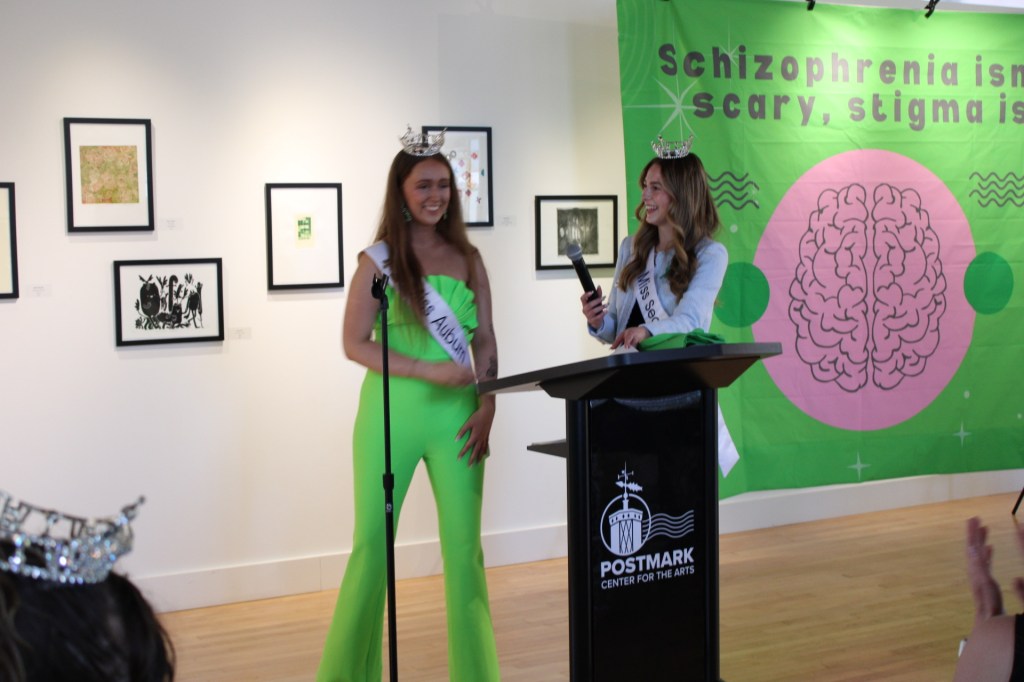
Their involvement reflected a growing movement within the Miss America community toward mental health advocacy and statewide impact. Their words emphasized compassion, understanding, and the urgent need for Washington to embrace innovative approaches to mental health education.
For many in attendance, Step into the Mind marked the first time they had ever been invited to witness schizophrenia from the inside. The result was consistent across participants: greater empathy, reduced stigma, and a deeper appreciation for the courage it takes to live openly with the diagnosis.
Washington Needs Events Like This
Washington State, like the rest of the U.S., faces significant challenges when it comes to psychosis care: lengthy wait times for services, gaps in public education, and persistent stigma that prevents individuals from seeking help early.
Events like Step into the Mind are essential for several reasons:
They humanize a condition often portrayed inaccurately.
Schizophrenia is frequently misunderstood, even feared, because most people only encounter it through the media. This event invited the public to meet the reality, not the stereotype.
They encourage earlier intervention.
Understanding the symptoms of psychosis can help families, teachers, students, and community members recognize early warning signs and guide individuals toward support systems like Washington’s New Journeys and STEP programs.
They strengthen community connections.
By hosting this event in Auburn, Chandler created a safe space for dialogue among residents, local leaders, and mental health professionals.
They embody the direction Washington is moving: person-centered, experience-informed mental health advocacy.
Washington has long been at the forefront of behavioral health innovation. Step into the Mind pushes that progress further.
Looking Ahead: Step into the Mind 2026
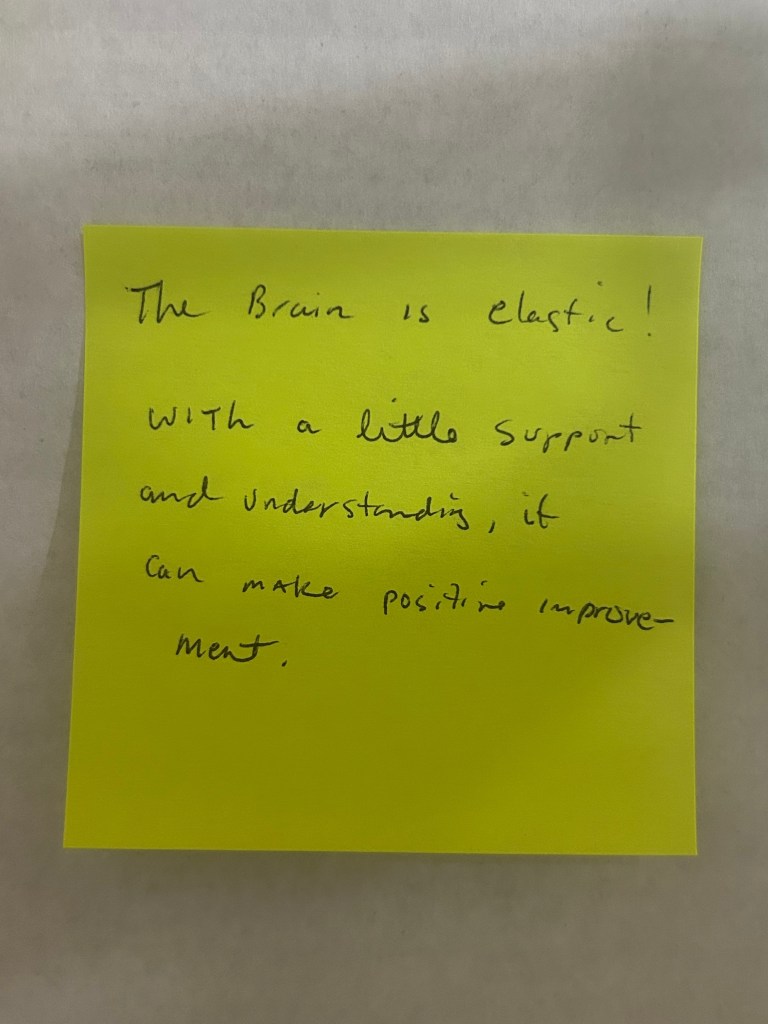
Because of the overwhelming community response, Chandler is already preparing to host Step into the Mind 2026 next May. The next event will build on this year’s foundation, offering new stations, deeper educational content, and expanded partnerships to reach even more Washington residents.
Her goal is simple but ambitious: to make Washington a leader in schizophrenia education and lived-experience advocacy.
Step into the Mind 2025 was the first event of its kind.
It will not be the last.
“I did have strange ideas during certain periods of time.” – John Nash
 The Evergreen Psychosis Network Washington
Leave a comment